 Merken
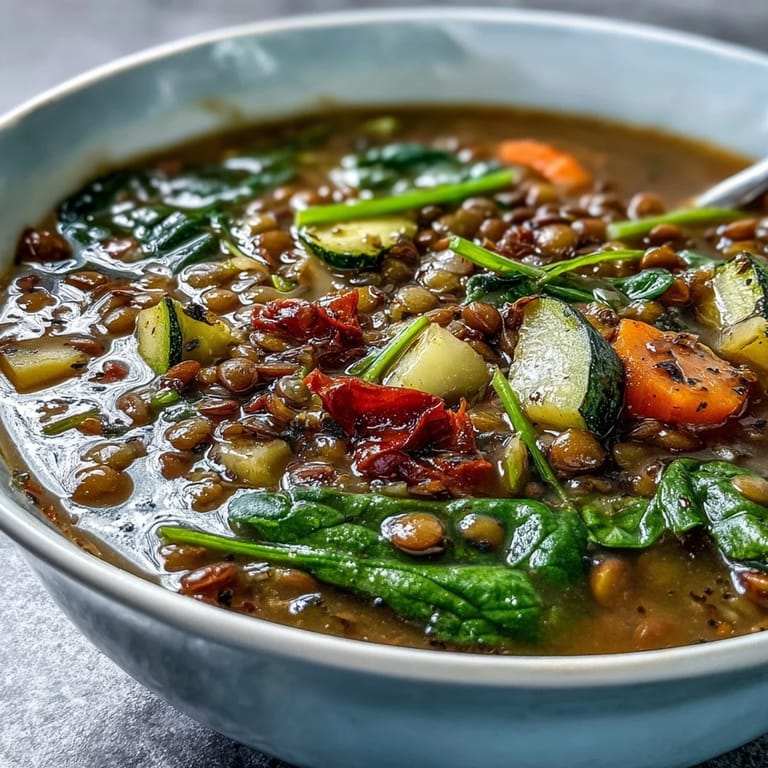
 There's something about stirring a pot of lentil soup that feels like meditation, especially on those gray afternoons when you need something warm and real. I discovered this recipe during a particularly rainy October, when my kitchen felt too quiet and I wanted to fill it with the smell of cumin and earth. The soup came together so naturally that evening, each vegetable finding its place, and by the time steam was rising from the bowl, I understood why lentils have been feeding people for thousands of years.
I made this for my neighbor last winter when she was recovering from the flu, and watching her face light up as she tasted it reminded me that food is sometimes the best medicine. She asked for the recipe three times, and now whenever we chat over the fence, she mentions how often she makes it. That single bowl somehow became a small thread connecting us through the seasons.
Ingredients
- Brown or green lentils (1 cup, 200 g): These little powerhouses hold their shape beautifully while cooking, giving you that satisfying texture that makes the soup feel substantial and real.
- Olive oil (2 tablespoons): This is your flavor foundation, so don't skip it or go cheap—it's what brings out the sweetness in the onions and garlic.
- Onion (1 medium, diced): The aromatic base that makes your kitchen smell like something good is happening; I always dice mine a bit finer than I think I need to.
- Garlic (2 cloves, minced): Mince it yourself rather than using jarred if you can—the difference in flavor is honestly worth those thirty seconds of knife work.
- Carrots and celery (2 each, diced): Together these create the classic soft vegetable backdrop that makes every spoonful taste balanced and complete.
- Zucchini (1 medium, diced): This adds a gentle sweetness and helps bulk up the soup without overpowering the other flavors.
- Red bell pepper (1, diced): The bright color and subtle sweetness mean this isn't just nourishing—it's also a joy to look at while you're eating.
- Tomatoes (1 cup, 150 g, fresh or canned): Canned tomatoes work just as well and sometimes even better because they're picked at peak ripeness; they add acidity that makes everything taste more alive.
- Vegetable broth (4 cups, 1 liter): Use good quality broth—this is where so much flavor comes from, so taste it before you buy it if you can.
- Water (2 cups, 480 ml): This keeps the soup from being too intense while giving the lentils space to cook properly.
- Spinach or kale (2 cups, 60 g, fresh and chopped): Added at the end so it stays vibrant and full of life, bringing a peppery brightness that feels almost like a finishing touch.
- Ground cumin (1 teaspoon): This is the soul of the soup—it adds an earthy warmth that makes people want another spoonful without quite knowing why.
- Dried thyme (1 teaspoon): The subtle herbal note that gives the whole soup a slightly Mediterranean feeling, like you're cooking with intention.
- Smoked paprika (1/2 teaspoon): A pinch of this transforms everything, adding a gentle smokiness that suggests depth and complexity.
- Bay leaf (1): This classic addition infuses the entire pot with subtle flavor, but remember to fish it out before serving.
- Salt and black pepper (1 teaspoon and 1/2 teaspoon): Always taste as you go and adjust these to your preference—they're the final word on whether the soup sings.
- Fresh parsley (optional garnish): A scatter of green on top feels celebratory, like you're saying this moment of eating matters.
- Lemon wedges (optional garnish): A squeeze of bright acid at the end wakes everything up and makes the flavors pop in a way that feels almost like magic.
Tired of Takeout? 🥡
Get 10 meals you can make faster than delivery arrives. Seriously.
One email. No spam. Unsubscribe anytime.
Instructions
- Start with your base:
- Heat the olive oil in your pot over medium heat and let it warm until you can smell its richness. Add the diced onion and garlic, stirring gently until they soften and become translucent—this usually takes about two to three minutes, and you'll know it's right when your kitchen starts to smell like something wonderful is beginning.
- Build the vegetable foundation:
- Toss in your carrots, celery, zucchini, and red bell pepper, stirring occasionally so they start to soften without browning. This takes about five minutes, and it's the moment where the pot becomes a palette of colors that somehow feels very alive.
- Wake up the spices:
- Sprinkle in the cumin, thyme, smoked paprika, salt, and pepper, stirring constantly for just about a minute until the spices are fragrant and coating everything evenly. This is a crucial moment because the heat releases the oils in the spices, and that's when you know something important is happening.
- Bring the soup together:
- Add your rinsed lentils, diced tomatoes, vegetable broth, water, and bay leaf to the pot, stirring well so everything gets to know each other. Bring it all to a boil, then reduce the heat, cover the pot, and let it simmer gently for about twenty-five minutes until the lentils are tender and the vegetables have given up their firmness.
- Finish with freshness:
- Stir in your chopped spinach or kale and let it cook for just two to three minutes until it wilts and changes color, becoming silky and integrated into the broth. Remove the bay leaf, taste everything, adjust your salt and pepper if needed, and then ladle it into bowls and let people scatter parsley on top and squeeze lemon over it as they wish.
 Merken
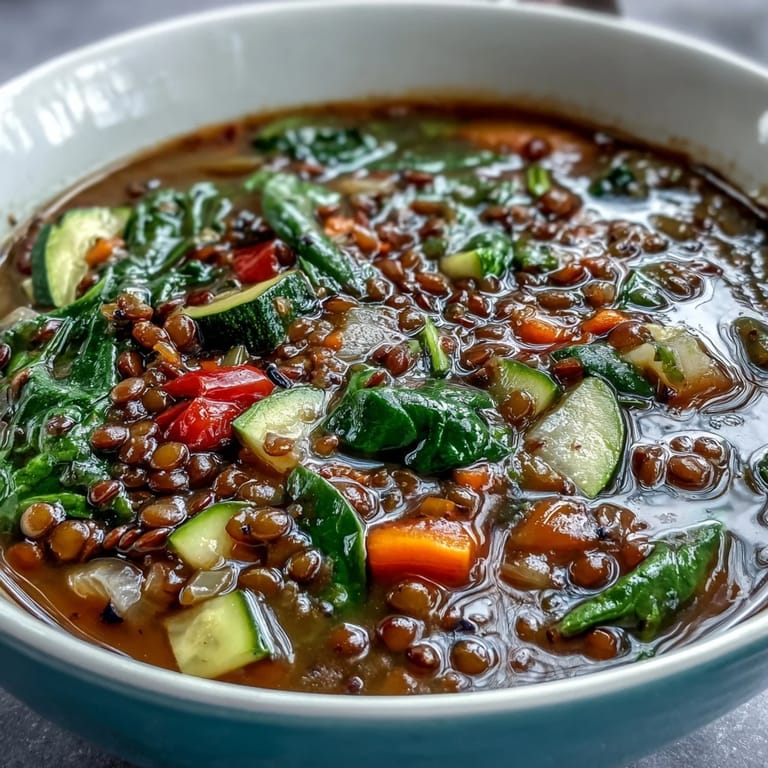
 There was a moment last summer when my daughter brought home her friend from school, and without thinking much about it, I ladled this soup into bowls. They both asked for seconds, and then the friend's mother called later to ask for the recipe, saying her daughter talked about nothing else for two days. That's when I realized this soup does something beyond nutrition—it creates memories.
The Magic of Seasonal Swaps
One of the most beautiful things about this recipe is how it bends to the seasons without losing its soul. Last spring I added fresh peas instead of some of the zucchini, and the sweetness made the whole thing taste like renewal. In autumn, I've swapped in diced sweet potato and extra spinach, and suddenly it feels like you're eating comfort itself. The recipe is like a good friend who adapts to your mood but is still fundamentally themselves.
Understanding Your Lentil Types
I learned the hard way that different lentils have different personalities in the pot. Brown and green lentils, which this recipe calls for, keep their structure and don't turn mushy, which is exactly what you want for a soup where you can taste the individual ingredients. Red lentils, by contrast, practically dissolve and create a creamy texture—wonderful if you're going for that, but not what we're after here. Understanding this difference means you're not just following directions; you're actually cooking with knowledge.
Making This Soup Your Own
The skeleton of this recipe is strong enough that you can play with it generously while keeping the essential character intact. I've added a can of chickpeas for extra protein when I knew I was feeding hungry teenagers, stirred in a handful of diced sweet potato when I wanted something slightly sweeter, and once even added a pinch of chili flakes because I woke up in a spicy mood. The point is that you should trust your instincts here and remember that cooking is as much about joy as it is about nutrition.
- If you want more heat, add a pinch of red chili flakes or a diced fresh chili pepper right after the spices bloom.
- For extra creaminess without dairy, you can blend about a quarter of the finished soup and stir it back in, which gives you that velvety texture.
- Serve this with crusty bread or a wedge of good cheese, and suddenly a simple weeknight becomes something that feels like you've taken real care.
 Merken
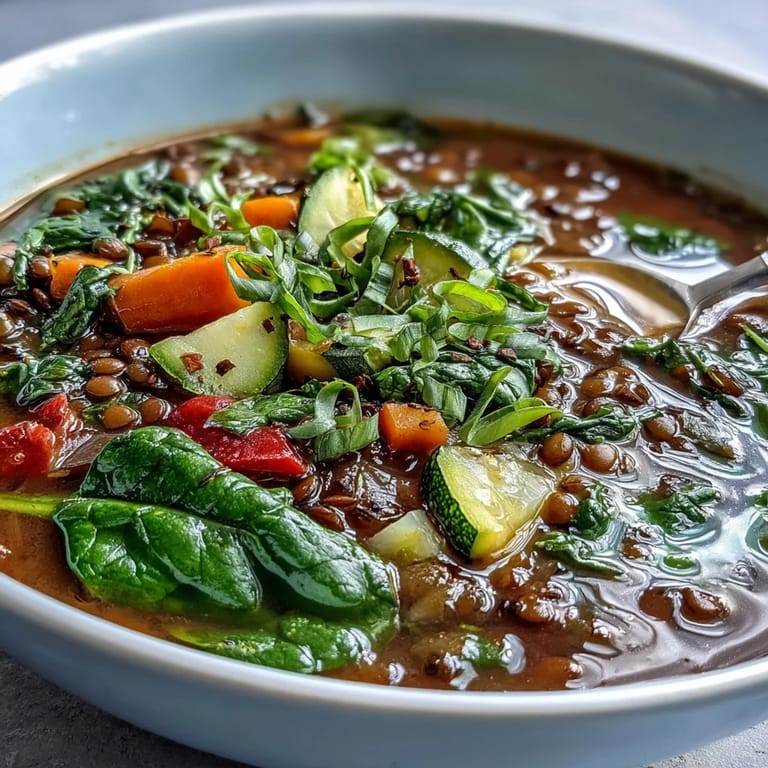
 This soup reminds me that the best cooking happens when you stop trying so hard and just let the ingredients do what they're meant to do. It's a recipe that feeds your body while somehow also settling something quieter in your chest.
Rezept-Fragen & Antworten
- → Wie lange hält sich die Suppe im Kühlschrank?
Die Linsen-Gemüse-Suppe hält sich im verschlossenen Behälter bis zu 4 Tage im Kühlschrank. Der Geschmack intensiviert sich sogar durch das Durchziehen.
- → Kann ich die Suppe einfrieren?
Ja, diese Suppe eignet sich hervorragend zum Einfrieren. Portionieren Sie sie in luftdichte Behälter und lagern Sie sie bis zu 3 Monate im Gefrierfach.
- → Welche Linsen eignen sich am besten?
Braune oder grüne Linsen halten ihre Form beim Kochen perfekt. Rote Linsen zerfallen schneller und eignen sich eher für cremigere Varianten.
- → Wie kann ich die Suppe proteinreicher machen?
Fügen Sie zusätzlich eine Dose abgetropfte Kichererbsen hinzu oder servieren Sie die Suppe mit einem Kleber Naturjoghurt für extra Proteine.
- → Welches Brot passt dazu?
Ein frisches Ciabatta, Baguette oder Vollkornbrot ergänzen die Suppe hervorragend. Auch Knoblauchbrot ist eine köstliche Beilage.